Ahlmann Hydraulic Breakers for Sale | Find the Perfect Match for Your Model
2026-10-27

Operating a hydraulic breaker is more than just pulling a lever; it’s a precise application of force that, when done right, maximizes productivity and extends the life of your equipment. We want to empower you with the knowledge to use your hydraulic breaker safely and efficiently. This guide covers the essential steps, from pre-operation checks to mastering striking techniques and post-operation care.
A hydraulic hammer is an excavator attachment that uses hydraulic pressure from its carrier to generate high-frequency impact force. Its purpose is to break down hard materials such as rock, concrete, and asphalt. The core of the breaker is a piston that rapidly moves up and down inside a cylinder, repeatedly striking a working tool. This simple yet powerful principle is what allows a small machine to accomplish massive tasks in demolition, quarrying, and construction.
Before you even think about starting a job, you must ensure your breaker and its carrier are a perfect match. This is the single most important factor for both performance and safety. A mismatch can lead to poor impact power, increased wear on components, and even damage to the excavator’s hydraulic pump. We always recommend checking three key specifications: carrier operating weight, oil flow, and operating pressure.
The breaker’s manual will provide a recommended range for each of these. For example, a heavy-duty breaker designed for a 30-ton excavator should never be mounted on a 15-ton machine. The smaller excavator’s hydraulic system simply cannot deliver the necessary power, and its structure is not built to withstand the immense forces generated.
Recommended reading: 10 Tips for Choosing the Best Hydraulic Breaker
A thorough inspection before starting work can prevent costly downtime. Our pre-operation checks ensure everything is in optimal condition.
First, check the hydraulic breaker itself.
Next, check
Here’s a quick reference table for pre-operation checks:
| Component | What to Check | Why It’s Important |
| Working Tool | Cracks, wear, dullness | Prevents component stress and ensures optimal performance |
| Tool Pin | Security, excessive play | Retains the working tool; prevents accidental detachment |
| Dust Seal | Tears, damage | Protects internal seals from dust and debris |
| Grease Nipple | Functionality, cleanliness | Ensures proper lubrication of the working tool and bushings |
| Hydraulic Hoses | Leaks, damage, loose connections | Prevents hydraulic fluid loss and system contamination |
| Mounting Pins | Tightness, security | Ensures safe attachment and prevents damage to the carrier |
The success of your job depends on your operating technique. Poor technique leads to slow progress and can severely damage the hydraulic breaker.
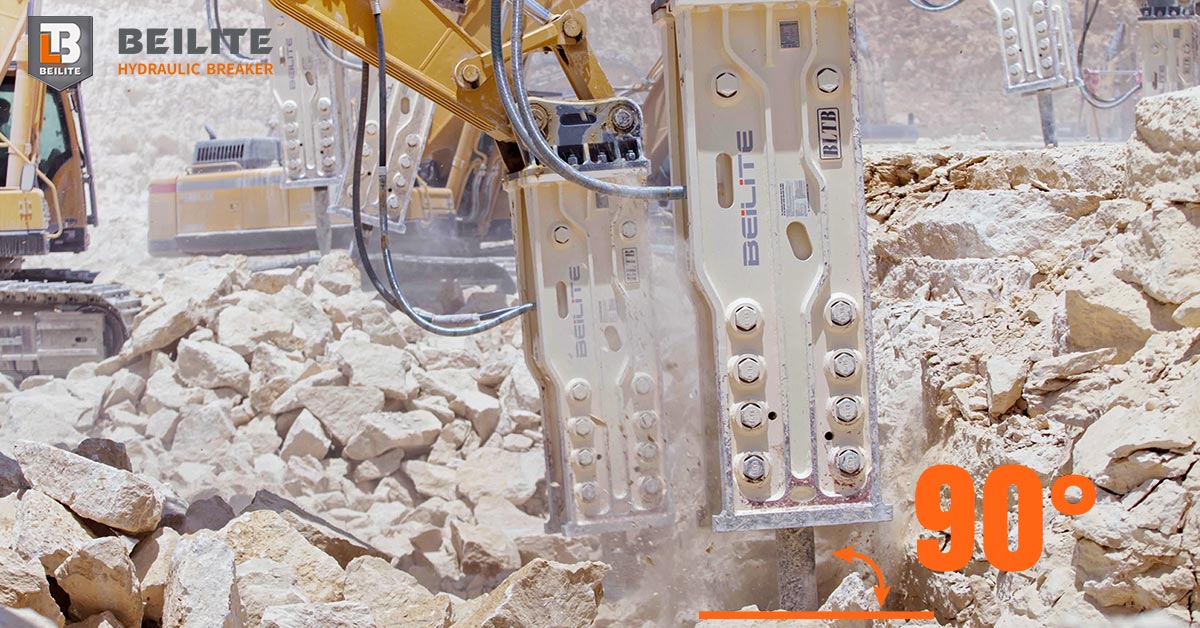
We often see operators making the same few mistakes that can significantly shorten a breaker’s life.
Just as a good start is important, a good finish is crucial. At the end of a shift, take a few minutes to:
Our years of experience on the front lines have shown us that the key to a long-lasting hydraulic breaker is consistent, disciplined operation. even the best engineering cannot overcome improper use. Regular lubrication with the right chisel paste and avoiding blank firing are the two simplest and most impactful habits an operator can adopt. These small actions directly translate into fewer repairs and more time on the job.
Still facing issues? Schedule a free video consultation with our BEILITE technical support team.




 Phone/ Whatsapp: +86 40008-40008
 Email: info@beilite.com


